Livestock's banks

06/10/2023 Views: 2739 mconan

Microcredit is not the only kind of loan that Thien Chi provides to the local communities. Livestock can represent a way out of poverty for several families. The center finances two breeding pigs (up to 10,000,000 VND) and gives them to the families. In exchange, the families will take care of them and of their piglets. Amongst these piglets, Thien Chi gets back as many as needed to equal the value of the first animals. The family can keep the other children and the breeding animals. 
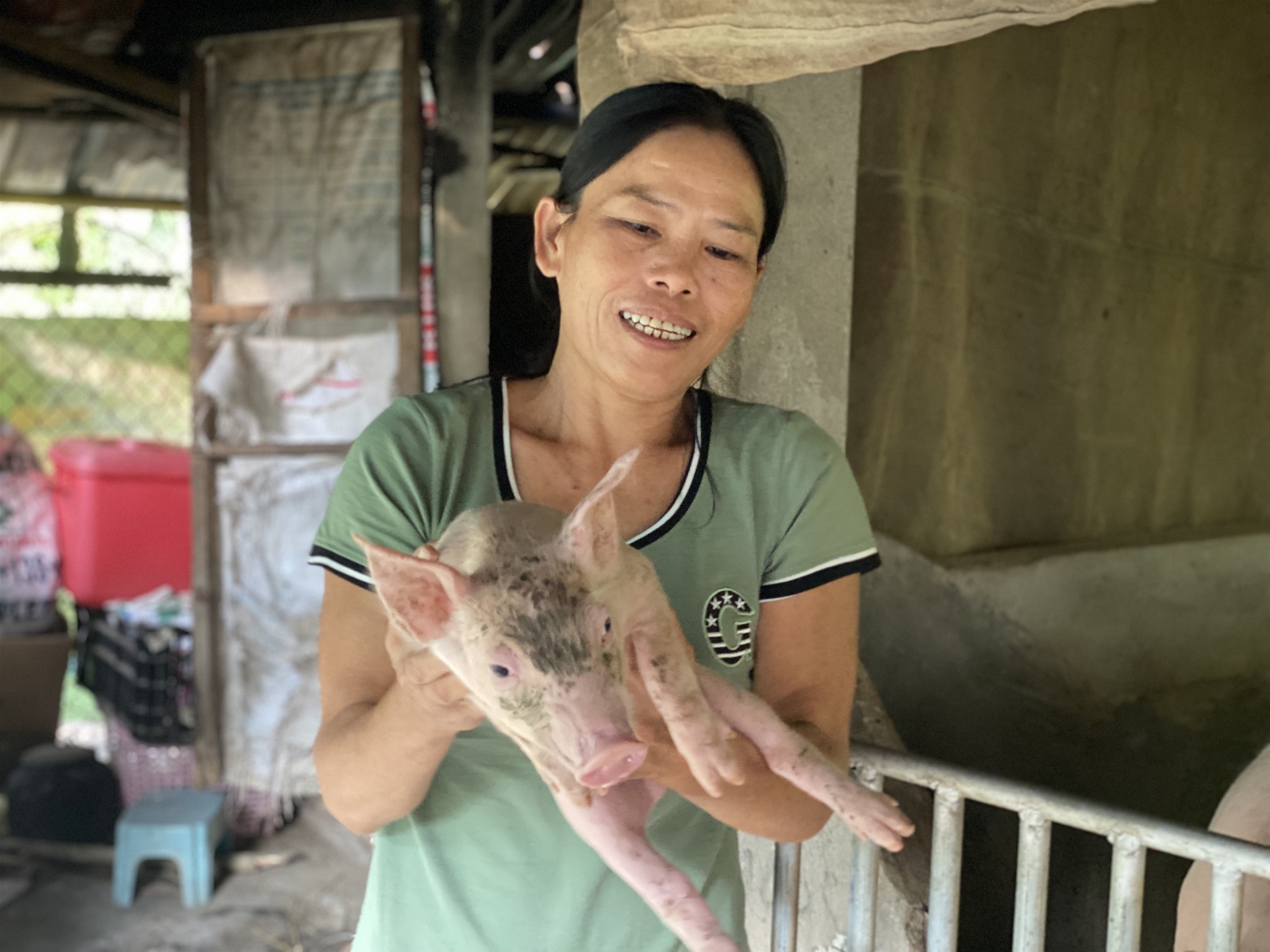
The conditions to get the loan are strict. Buying pigs represents a significant investment for the Thien Chi Center. The animals must be given to the people than can make it worth it. One of the prerequisites for being granted the pigs is to have a pig pen. Surveys are conducted to make sure that the families already have experience in raising pigs, this is essential.

Since Thien Chi is repayed with baby animals, they can be sold and with the money, new breeding animals are bought and given to other families. So this program creates a virtuous cycle for the beneficiairies, but also for the community as a whole. In October 2023, more than 20 families benefit from the program. 

The livestock band is part of the overall projet of Thien Chi: the idea is to give people the necessary tools to break the poverty cycle. The beneficiairies of the livestock programs can capitalize on the first loan and create a new source of income.

Other Campaigns

Enhancing Staff Capacity Through Field Exchange Activities

21/03/2026
Admin
22
To strengthen professional capacity and foster team cohesion, Thien Chi Center organized staff exchange activities across its project areas. Through these exchanges, staff members had the opportunity to visit and gain practical insights into different communities where the center is implementing development programs. This initiative not only created opportunities for mutual learning but also helped individuals better understand the nature of their work, local conditions, and the challenges and advantages encountered during project implementation.

Second round of capital support and continued support for women’s livelihoods

20/03/2026
Admin
39
Within the framework of the project “Autonomisation des femmes défavorisées grâce à l'indépendance économique et à l'accès aux soins de santé - Phase (2025 - 2028), funded by the Organisation internationale de la Francophonie (OIF), the Thien Chi Center continues to work closely with local community management boards to implement project activities in Lâm Đồng province (project areas belong to the formerly Binh Thuan province).

Restoring Dragon Fruit Plants After Floods Using Biochar

18/03/2026
Admin
51
During the flood in October 2025, farmers in Hàm Thạnh Commune suffered significant damage to their agricultural production, especially dragon fruit—the main crop of the area. Prolonged flooding not only caused waterlogging but also weakened the root systems, severely affecting plant growth and productivity. In response, the technical team from Thiện Chí Center implemented a solution using biochar-based compost to improve soil quality and support plant recovery.

Supporting Flood-Affected Families to Restore Dragon Fruit Gardens in Ham Thuan Nam

14/03/2026
Admin
59
In February 2026, Thien Chi Center – the Ham Thuan Nam Community Development Project continued its second round of support for 24 disadvantaged households affected by the floods that occurred in October 2025. These families live in Ham Thanh, Ham Kiem, Tan Lap, and Tan Thanh communes, areas that suffered significant damage after the heavy flooding.

TRAINING ON RECOGNIZING HYPERTENSION – JOINING HANDS TO PREVENT STROKE

12/03/2026
Admin
66
Recently, in Hoai Duc commune, Thien Chi Center organized a training session titled “Recognizing and Preventing Hypertension and the Risk of Stroke” for women participating in the Center’s microcredit loan program.

How Early Intervention Helps Reduce the Economic Burden on Families

07/03/2026
Admin
112
In recent years, more children with special educational needs have been identified. However, not all families have the financial capacity to access early intervention services from the beginning. Many parents delay assessment and support because they lack information or worry about the cost. In reality, early intervention not only supports children’s cognitive and behavioral development but also helps reduce the long-term economic burden on families.